
TL;DR
An international arrivals meeting point is the designated area just outside the customs exit in an airport’s public arrivals hall where greeters wait for passengers. Confusion about international arrivals meeting points is common because airports have multiple exits, customs clearance times are unpredictable, and signage is often poor. This guide covers why the confusion happens, where to meet at every major Australian airport, and how a professional meet-and-greet service can eliminate the problem entirely.
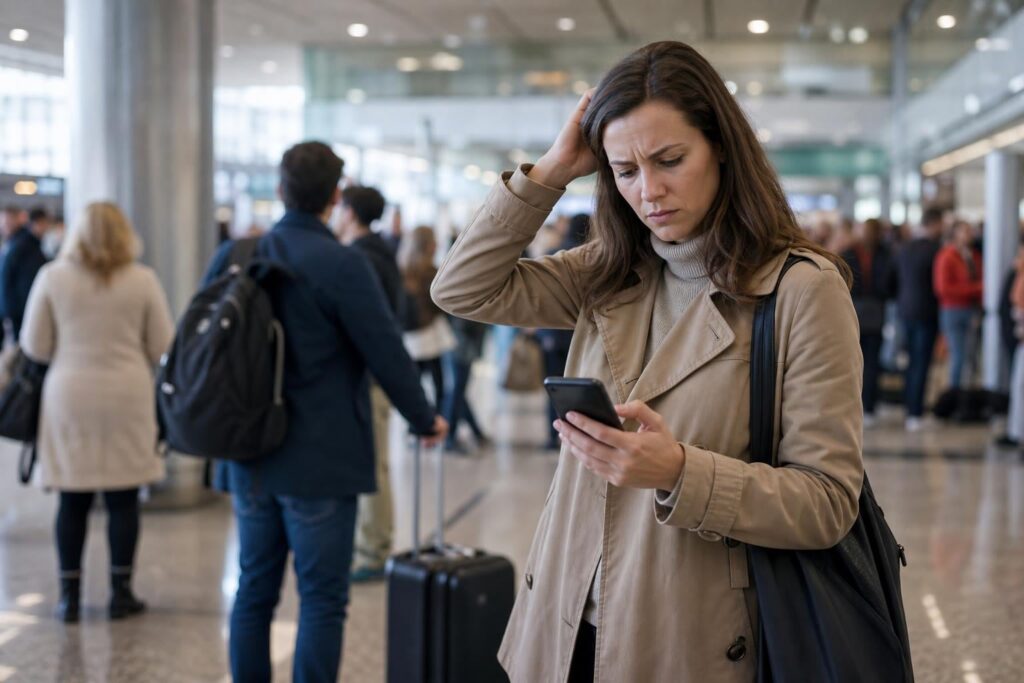
Standing in an arrivals hall, watching strangers stream through sliding doors, checking your phone for the tenth time, wondering if you’re at the wrong exit. That feeling is universal. The confusion about international arrivals meeting point logistics frustrates thousands of travelers and greeters across Australia every single day.
This isn’t a personal failing. It’s a design problem, a communication problem, and sometimes just an overwhelming experience for people who are jet-lagged or visiting an unfamiliar country for the first time.
Whether you’re picking someone up or you’re the one walking out of customs into a sea of faces, this guide will tell you exactly where to go, why the confusion exists, and what you can do about it.
If you’d rather skip the stress altogether, a professional airport transfer service with meet-and-greet handles the entire process for you.
What Is an International Arrivals Meeting Point?
An international arrivals meeting point is a specific location in an airport’s public arrivals hall where people gather to meet passengers coming off international flights. It sits just past the secure exit doors, after travelers have cleared immigration, collected their baggage, and passed through customs and biosecurity screening.
The key word is “public.” You cannot go through security to meet someone at their gate for an international flight. The meeting point is the first place where arriving passengers and their greeters can physically see each other.
Some airports mark the spot with overhead signs reading “Meeting Point.” Others rely on landmarks like a café or information desk. A few barely mark it at all.
What a meeting point is not
Two common mix-ups deserve clearing up right away.
Meet-and-greet parking is a completely different service. That’s where you drive your own car to the terminal, hand it to an attendant, and they park it while you fly. It has nothing to do with meeting a person.
An assembly point is an emergency muster location. Also unrelated.
When people search for information about international arrivals meeting point confusion, they’re almost always talking about the greeting area outside the customs exit. That’s what this guide focuses on.
Why Meeting Points at International Terminals Are So Confusing
The confusion about international arrivals meeting points isn’t random. It stems from a handful of specific, predictable problems that repeat at airports worldwide.
Multiple exits and arrivals halls
Many international terminals have more than one exit from the customs area, and those exits can be surprisingly far apart.
At Sydney’s T1 International Terminal, there are two exits known as A and B. According to Sydney Airport’s own guidance, there are only two ramps facing each other, so in theory you shouldn’t miss someone coming out. In practice, people do. At San Francisco International, there’s one greeting area but two exits from international arrivals pointing in opposite directions. If you’re watching the wrong door, you’ll miss your person entirely.
Domestic vs. international terminal separation
If someone texts you “I’m at arrivals,” that might not be enough information. Airports frequently keep domestic and international arrivals in separate halls, sometimes in different buildings altogether. You may need to ask one more question: domestic or international? Getting this wrong means you could be waiting in entirely the wrong part of the airport.
Unpredictable customs clearance times
This is the single biggest source of confusion about international arrivals meeting point timing. You check the flight tracker, see the plane has landed, and assume your person will walk out in 15 minutes. They won’t.
At Sydney, customs clearance averages about 30 minutes but can stretch past an hour during busy periods. Melbourne Airport advises passengers to allow approximately one hour for immigration and baggage collection. At Seattle-Tacoma, the airport officially states it typically takes 60 or more minutes to clear customs, and possibly longer during peak times.
So you arrive on time, stand there for an hour, and start wondering if something went wrong. Meanwhile, your arriving passenger is stuck in a queue wondering why the process is taking so long. Neither of you has done anything wrong.
Poor or inconsistent signage
Practitioners on Australian forums report that signage is a genuine weak point. One user on the Whirlpool forum noted about Australian airport immigration areas: “there is next to no signage or instruction, and there is not enough kiosks.” This isn’t just an Australian issue. A U.S. Congresswoman formally complained that it was “almost impossible for drivers of regular cars to determine where to go” at Reagan National Airport due to absent signage.
When even frequent travelers struggle with wayfinding, first-time visitors have almost no chance of navigating smoothly without help. For more on how chauffeurs handle busy terminals, that guide goes deeper into the logistics.
Australia’s SmartGate two-step process
Australia uses a two-stage automated immigration system: first a SmartGate kiosk where you scan your passport and answer questions, then a separate ePassport gate where you get your photo taken. Reddit users returning through Melbourne describe this as “painful chaos,” with one traveler reporting issues with the smart gates more than 50% of the time. The kiosks themselves aren’t complicated, but when several malfunction during a peak period, the queue backs up fast.
Different pickup zones for different transport types
Even after you find each other inside the terminal, getting to the car introduces another layer of confusion. Rideshare pickup areas, taxi ranks, private car pickup zones, and bus stops are typically in different locations, sometimes on different levels. Brisbane Airport, for example, requires Uber passengers to follow green signage, take lifts or travelators down to Level 1, and walk to a specific kerbside zone that’s separate from the standard pickup area.
International Arrivals Meeting Points at Major Australian Airports
Here’s where to actually stand at each major airport. This is the practical information that resolves most confusion about international arrivals meeting point locations in Australia.
Sydney (SYD), Terminal 1
Sydney’s international terminal has one arrivals hall with exits marked A and B. The official meeting point sits between Arrivals Hall A and Arrivals Hall B.
A practical tip shared repeatedly on TripAdvisor by Sydney locals: “When you come through customs into the Arrivals hall, turn RIGHT and keep walking until you see McDonald’s.” From exits A/B, it takes about one minute to reach this landmark. From exits C/D, roughly three minutes.
Allow about one hour from landing for the arriving passenger to clear passport control and collect baggage. During peak morning arrivals (when multiple long-haul flights land between 6am and 8am), it can take longer.
For a broader look at transfer options from this terminal, the Sydney airport transfers guide covers seven practical approaches.
Melbourne (MEL)
Melbourne’s international terminal is on the ground floor. Border processing is managed by Australian Border Force officers in blue uniforms, with airport volunteers in pink jackets available to help confused passengers.
Melbourne has been under significant pressure. International arrivals hit a record high of 1,032,448 in October 2025 alone, and the terminal has been described as “way over the capacity it was designed for.” Expect longer queues during morning and evening peaks. Budget at least one hour from touchdown to meeting your passenger.
The Melbourne executive transfers guide has specific pickup details for business travelers using that airport.
Brisbane (BNE)
At Brisbane International, the meeting point is in the arrivals hall on the ground floor. A helpful landmark mentioned by travelers on forums: as you exit customs into the arrivals hall, the rideshare pickup exit is on the left, behind The Coffee Club.
If you’re picking someone up by private car, the Passenger Pick-Up area allows up to 10 minutes free before fees kick in. For rideshare pickups, passengers need to follow dedicated green signage down to Level 1, which is a separate kerbside zone from the main arrivals area.
Adelaide (ADL)
Adelaide is more straightforward than most. If meeting someone on an international flight, wait on the ground floor at the International Arrivals area on the northern side of the terminal.
Adelaide has a unique feature among Australian airports: for domestic flights, greeters can actually pass through security screening and wait at the gate or grab a coffee in the secure area. This doesn’t apply to international arrivals, but it’s worth knowing if you’re meeting multiple people on different flight types.
Perth (PER)
At Perth Airport, passengers can only be met in the public arrivals hall after completing the full arrivals process. User reviews on flight-tracking platforms describe Perth’s international processing as notably slower than other Australian airports, with some travelers reporting it takes double the time they’d expect. Build in extra buffer if you’re meeting someone here.
How a Meet-and-Greet Chauffeur Service Removes the Confusion
The simplest way to describe a chauffeur meet-and-greet: a professional greeter with a name sign meets you at the customs exit and walks you directly to the car. You never have to find the vehicle yourself, figure out which level the pickup zone is on, or wonder if your ride is actually there.
This is fundamentally different from booking a rideshare, where you land, turn on your phone, request a car, wait for it to arrive, then try to find it in a busy pickup zone while exhausted from a 14-hour flight.
How it works in practice
A professional chauffeur service monitors your flight in real time. If your flight is delayed by two hours, the pickup time shifts automatically. There’s no need to send frantic texts or worry about cancellation fees from a driver who got tired of waiting.
The chauffeur positions themselves at the correct terminal exit, holds a name board, helps with luggage, and escorts the passenger to the vehicle. For groups or families, a single greeter manages everyone, which eliminates the chaos of multiple people trying to find each other in a crowded hall. If you’re coordinating arrivals for multiple passengers, one booking can cover the whole group.
Most professional services include a waiting period of up to 60 minutes for international flights, specifically to account for the unpredictable customs clearance times discussed earlier.
Who benefits most
Business travelers who can’t afford to waste time wandering an unfamiliar airport. Families with young children and too much luggage to manage gracefully. Elderly passengers who find long walks through terminals physically taxing. And international visitors for whom that first hour in an unfamiliar country sets the tone for the entire trip.
Late-night and early-morning arrivals deserve special mention. Fatigue makes every small inconvenience feel bigger. When you’re landing at 11pm after 20 hours of travel, the last thing you need is confusion about where your ride is.
For a fuller picture of why this approach works, the guide on benefits of hiring a chauffeur covers the time, safety, and cost predictability advantages.
Practical Tips to Avoid Meeting Point Confusion (With or Without a Chauffeur)
Not everyone will book a professional pickup, and that’s fine. These tips will help regardless of how the arriving passenger is getting from the terminal to their destination.
Before the flight
Check the airport website map. Every major Australian airport publishes terminal maps online. Spend two minutes identifying which exit the arriving passenger will use and where the meeting point is. This alone prevents half the confusion about international arrivals meeting points.
Agree on a specific landmark, not just “arrivals.” Saying “meet me at arrivals” is almost useless at a busy international terminal. Pick something unmistakable: “the McDonald’s at Sydney T1,” “behind The Coffee Club at Brisbane International,” or “the information desk in the Melbourne arrivals hall.”
Make sure the arriving passenger has phone connectivity. International travelers often land with no working phone. Suggest they activate roaming, buy an eSIM before departure, or at minimum connect to the airport’s free WiFi as soon as they clear customs. Without a phone, there’s no way to coordinate if something goes wrong.
During the wait
Use a flight-tracking app, not the scheduled arrival time. Scheduled and actual arrival times can differ by hours. Apps like Flightradar24 or the airline’s own tracker show real-time position and updated landing times. This prevents you from standing around for 90 minutes before the plane has even touched down.
Factor in customs processing time. Add at least 45 minutes to the actual landing time for Australian international arrivals. During peak periods, add a full hour. Don’t panic if your person hasn’t appeared yet.
Know the difference between pickup zones. If you’re driving to the airport, figure out in advance whether you’ll park in the short-term car park, use the cell phone waiting area (free at most Australian airports), or circle through the pickup lane. These are three different places with different rules and fee structures. This matters because surge pricing from rideshare apps during peak arrival windows can make last-minute decisions expensive.
If you’re hiring a driver
Confirm the exact meeting location in writing before the flight. “I’ll be at the airport” is not a plan. A professional service should tell you exactly where their driver will stand, what name will be on the sign, and provide a direct contact number or WhatsApp. Services that share chauffeur contact details before pickup, along with options like WhatsApp for international travelers, are specifically designed to close this communication gap.
Practitioners on travel forums note that even hired drivers sometimes get distracted. One Fodor’s contributor observed that drivers holding name signs are “sometimes more involved in talking with each other than holding up your sign.” Having a direct phone number for your driver is essential, not optional.
Related Terms: A Quick Glossary
These terms come up frequently when people are trying to sort out confusion about international arrivals meeting points. Quick definitions for clarity.
Arrivals hall / Arrivals area: The public, non-secure section of the terminal where passengers emerge after clearing customs. Anyone can access it without a boarding pass.
Meet-and-greet parking: A valet-style service where someone parks your car while you travel. Not the same as a chauffeur meet-and-greet, despite the similar name.
SmartGate / ePassport kiosk: Australia’s automated immigration system. You scan your passport at a kiosk, then proceed to an electronic gate that photographs you. The two-step process is a common bottleneck.
Customs exit: The final set of doors passengers walk through after clearing immigration, baggage claim, and biosecurity. This is where the public arrivals hall begins, and where greeters can first see arriving passengers.
Passenger pick-up zone: The curbside lane outside the terminal where cars briefly stop to collect passengers. Different from the arrivals hall (which is inside). Usually has a time limit (10 minutes free at Brisbane, for instance).
Cell phone lot / Waiting area: A free parking area near the terminal where drivers can wait until the arriving passenger calls to say they’re ready. Saves money compared to short-term parking.
Flight monitoring: The practice of tracking a flight’s real-time status to adjust pickup timing. Professional chauffeur services do this automatically. For personal pickups, free apps and airline websites offer similar tracking.
Confusion about international arrivals meeting points is fixable. It just takes a bit of preparation, or the decision to hand the logistics to someone who does this every day.
If you’d prefer a professional handling it, get in touch to arrange a pickup and skip the guesswork entirely.
Frequently Asked Questions
Where exactly is the meeting point at an international airport?
It’s in the public arrivals hall, just outside the doors where passengers exit after clearing customs, immigration, and baggage claim. Most Australian airports place it on the ground floor. Look for overhead “Meeting Point” signs or well-known landmarks (McDonald’s at Sydney T1, The Coffee Club at Brisbane International).
Why does it take so long for someone to come out after an international flight lands?
After landing, passengers must taxi to the gate, disembark, walk to immigration (sometimes a long distance), clear passport control, collect checked baggage, and pass through customs and biosecurity. In Australia, this process typically takes 45 to 60 minutes. During peak periods or if SmartGate kiosks malfunction, it can exceed an hour.
What’s the difference between meet-and-greet parking and a chauffeur meet-and-greet?
Meet-and-greet parking is a valet service for your own car. You drive to the terminal, hand your keys to an attendant, and they park your car while you’re away. A chauffeur meet-and-greet is a pickup service where a professional driver waits at the customs exit with a name sign and escorts you to a vehicle. Completely different services despite the shared terminology.
Can I go through security to meet someone at their gate for an international flight?
No. At Australian international terminals, you can only meet arriving passengers in the public arrivals hall outside the customs exit. Adelaide is the one exception that allows gate-area greetings, but only for domestic flights.
How do I know which exit my person will come out of?
Check the airport’s website for a terminal map before you go. At Sydney T1, the two exits (A and B) face each other across the arrivals hall, so positioning yourself in the middle near the official meeting point covers both. At airports with exits on opposite sides, you’ll need to pick one or station yourself where you can see both doors.
What if I’m picking someone up and their flight is delayed?
Use a flight-tracking app to monitor real-time arrival status rather than relying on the original schedule. Don’t leave for the airport until you’ve confirmed the plane is actually approaching. If you’ve booked a professional airport transfer, the driver monitors the flight and adjusts timing automatically.
How do rideshare pickup zones differ from private car pickup at Australian airports?
They’re usually in completely different locations, sometimes on different levels. Brisbane, for example, has rideshare pickups at a designated zone on Level 1 that requires following green signage and taking lifts or travelators, while private vehicles use a separate curbside lane. Always check the specific airport’s website for current pickup zone maps.
Is the confusion about international arrivals meeting points worse at certain Australian airports?
Perth and Melbourne tend to draw the most complaints. Perth’s international processing is reported to take significantly longer than other airports, and Melbourne’s terminal has been operating beyond its designed capacity, with over one million international arrivals recorded in a single month in late 2025. Sydney is busy but reasonably well-signed. Adelaide is the most straightforward of the major airports.